Introduction
Merton is one of London's leafiest boroughs, with more than 200 hectares of parks, commons, and green spaces. For residents and visitors alike, these areas offer a welcome escape from urban life, providing habitats for wildlife, spaces for recreation, and a connection to the area's history.
Wimbledon Common: The Borough's Best-Known Open Space
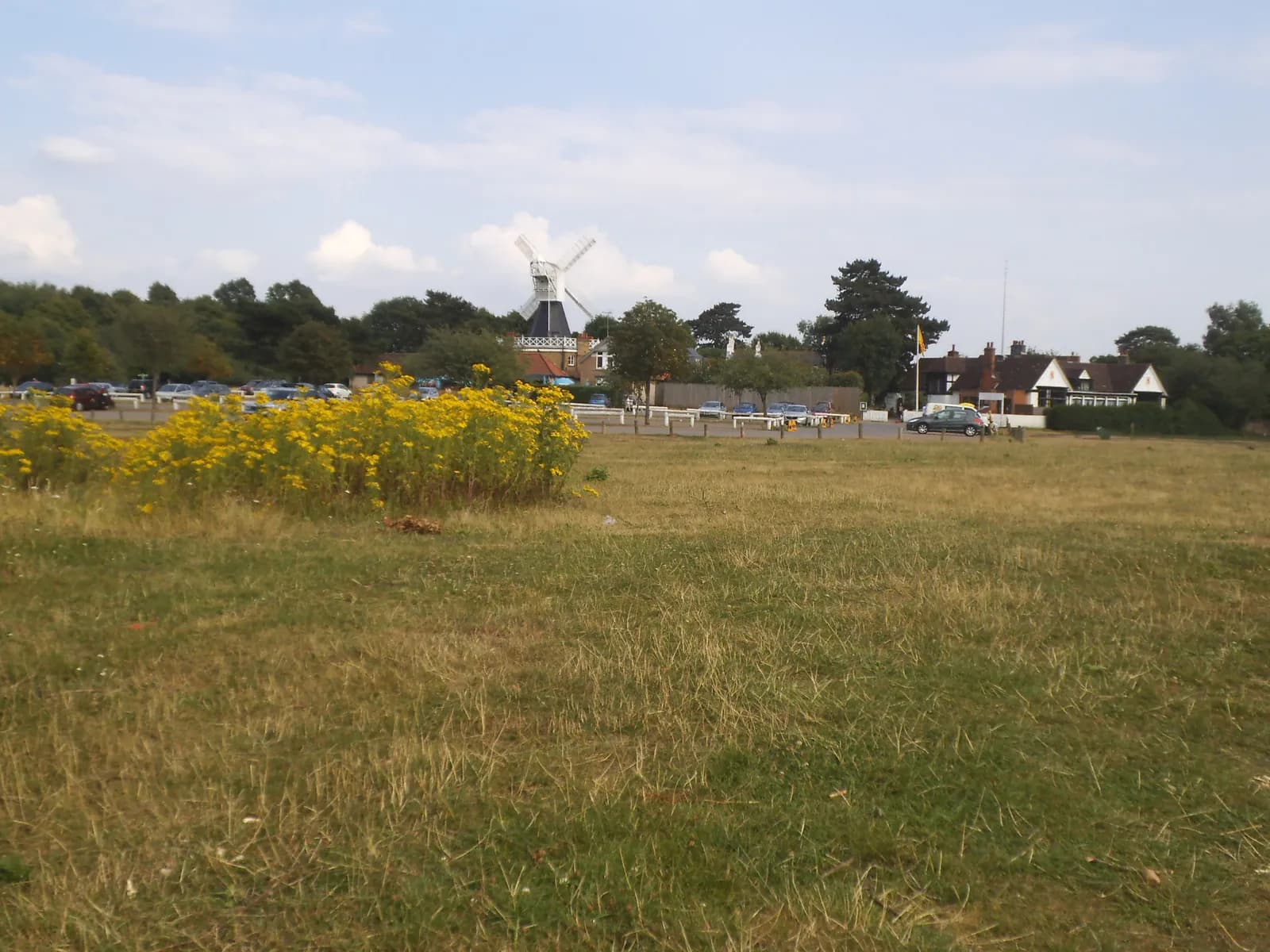
Wimbledon Common covers approximately 460 hectares, making it one of the largest areas of common land in London. The landscape is a mix of woodland, scrubland, and open heath, providing a habitat for rare species including the common lizard and various birdlife.
The Wimbledon and Putney Commons Act of 1871 protects the land from development and ensures public access. The Wimbledon Common Golf Club, established in 1868, operates across much of the terrain. For walkers and cyclists, a network of paths crisscrosses the common, offering routes suitable for all abilities.
The Wimbledon Windmill Museum, located within the common, provides historical context about the area's past. The windmill itself dates from 1817 and houses exhibits about milling and local history. The museum opens to the public on weekend afternoons.
Mitcham Common: Nature and Industry Combined
Mitcham Common spans roughly 182 hectares and features a diverse landscape of ponds, woodland, and grassland. The common has a long history of human use, from grazing animals to extracting gravel. Today, it is designated as a Site of Metropolitan Importance for Nature Conservation.
Seven Islands Pond, located on the common, is a popular spot for fishing and birdwatching. The pond takes its name from small islands that were created during gravel extraction in the nineteenth century. The area supports a variety of waterfowl and is one of the common's most visited features.
The Commonside East area provides open grassland suitable for informal recreation. Management of the common aims to balance public access with wildlife conservation, with specific areas maintained as wildflower meadows to support pollinators.
Morden Hall Park: A Riverside Estate
Morden Hall Park sits on the banks of the River Wandle and is owned and managed by the National Trust. The park covers approximately 51 hectares and combines formal gardens with meadows and wetlands. Entry is free, though some activities and facilities carry charges.
The park's history is tied to the snuff industry. The Morden Snuff Mills, located within the grounds, operated from the eighteenth century until the 1920s. The surviving buildings have been restored and now house a cafe and exhibition space. The water mills once used the River Wandle's flow to power machinery.
The River Wandle itself runs through the park, supporting wildlife including kingfishers and otters. A boardwalk allows visitors to explore the wetlands without disturbing sensitive habitats. The rose garden, located near the main entrance, features heritage varieties and provides a formal contrast to the wilder areas of the park.
Cannizaro Park: Formal Gardens Near Wimbledon Village
Cannizaro Park lies adjacent to Wimbledon Common and is known for its ornamental gardens and woodland walks. The park was once part of the grounds of Cannizaro House, a grand residence that is now a hotel. The gardens include Mediterranean planting, a sunken garden, and specimen trees.
The park is managed through a partnership between Merton Council and the Friends of Cannizaro Park. Recent restoration work has focused on improving paths and maintaining the garden's historic features. The site offers views across south London on clear days.
Smaller Spaces and Local Parks
Beyond these major sites, Merton contains numerous smaller parks and recreation grounds. Sir Joseph Hood Memorial Park in Raynes Park provides sports facilities and a children's playground. Joseph Hood Recreation Ground offers similar amenities for the Motspur Park area.
In Colliers Wood, Wandle Park follows the river and provides a linear green space through the town centre. The park has been subject to improvement schemes in recent years, with new planting and seating areas added. It serves as a wildlife corridor connecting larger habitats along the Wandle valley.
Access and Facilities
Most of Merton's green spaces are accessible by public transport. Wimbledon Common is served by buses from Wimbledon station, while Mitcham Common has stops along the A237. Morden Hall Park is within walking distance of Morden Underground station on the Northern line.
Car parking is available at Wimbledon Common and Morden Hall Park, though spaces can fill quickly at weekends. Cycling is permitted on designated paths on the commons, and bike racks are provided at most major entrances. Dogs are welcome on all sites but must be kept under control, particularly in areas with grazing livestock.
Conservation and Community Involvement
Many of Merton's green spaces rely on volunteer support. The Friends of Wimbledon Common, the Mitcham Common Conservators, and the Friends of Cannizaro Park all organise conservation work and events. These groups work alongside Merton Council and landowners to maintain habitats and improve facilities.
Conservation efforts focus on managing invasive species, maintaining heathland habitats, and protecting rare wildlife. On Wimbledon Common, this includes controlling bracken and scrub to preserve open heath. At Mitcham Common, work parties restore ponds and manage woodland edges to benefit birds and insects.