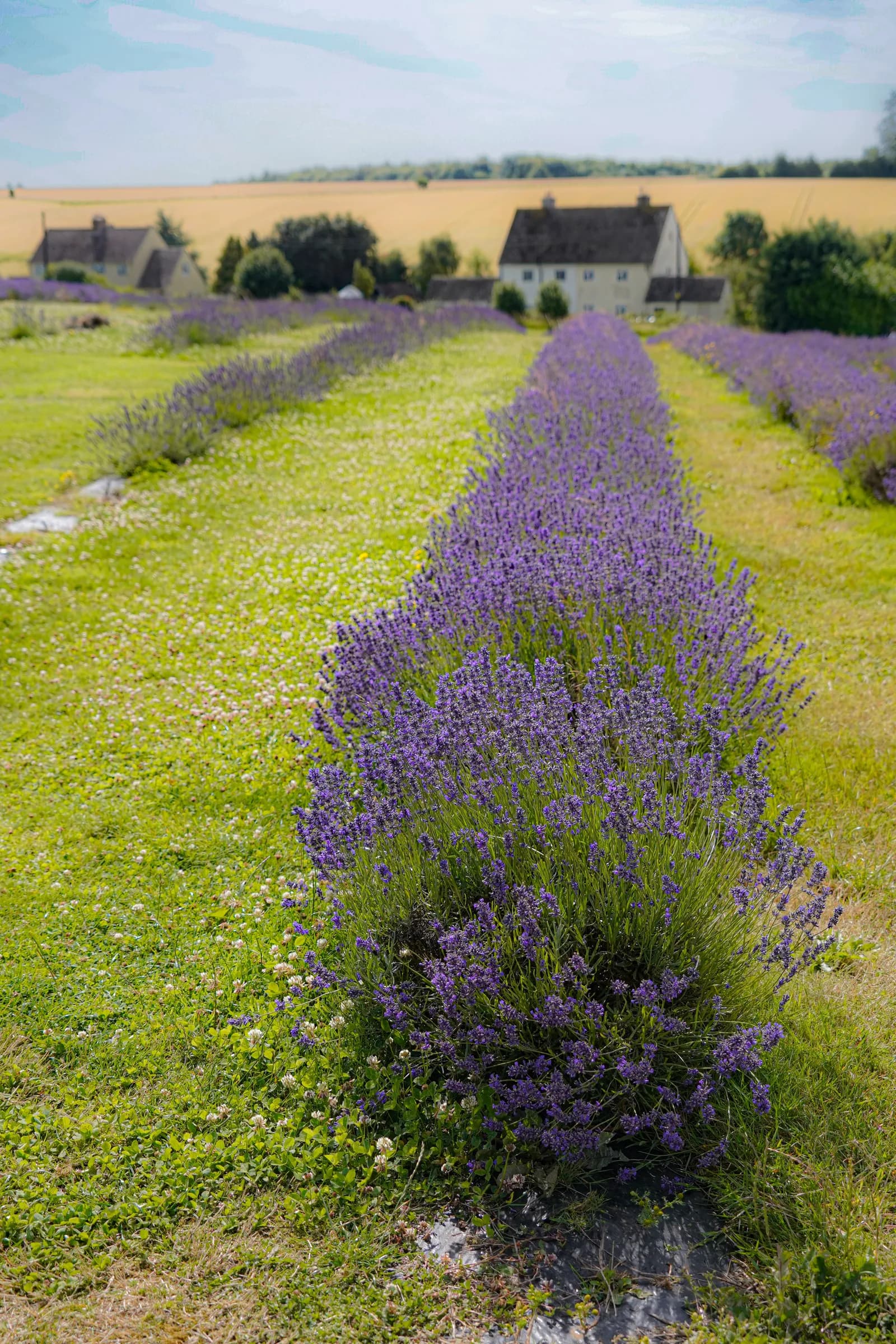
For centuries, the air above Mitcham carried a distinctive fragrance that drew visitors from across London and earned the area a reputation for restorative properties. The source was lavender: millions of purple blooms carpeting the fields of what is now the London Borough of Merton, establishing Mitcham as the undisputed capital of English lavender production.
Elizabethan Origins and "Soothing Air"
Mitcham's association with lavender began during the reign of Queen Elizabeth I, who visited the area on at least five occasions. Contemporary accounts noted the abundance of lavender fields and described the locality as having "soothing air." This reputation proved particularly valuable during plague outbreaks, when people sought refuge in Mitcham believing the fragrant atmosphere offered protection from disease.
By the 18th century, Mitcham had established itself as England's centre for both growing lavender and distilling its essential oil. The soil of north Surrey proved ideally suited to cultivation, producing what connoisseurs regarded as the finest lavender in the world.
The Golden Age: Potter & Moore and the "Lavender Kings"
The industry's commercial foundation was laid in 1749, when two local physic gardeners, John Potter and William Moore, founded Potter & Moore to manufacture and market toiletries from locally grown herbs and flowers. The company would go on to become one of Britain's best-known cosmetics brands.
By the mid-19th century, Mitcham's lavender industry had reached its zenith. At the Great French Exhibition of Industry in Paris in 1855, English-grown lavender oil, including that from Mitcham, was judged the best in the world. The district's produce commanded premium prices at Covent Garden Market, the capital's principal flower market.
Henry Fowler, who lived from approximately 1845 to 1925, became known as the "Lavender King" and "the last of the Mitcham lavender kings." Operating from Lavender House and Lavender Nursery on Bond Road, Fowler supplied Covent Garden with consignments for over 40 years, from 1882 until 1919, selling as much as 20 tons of lavender per season. By 1875, numerous distilleries had been erected at Mitcham and nearby Wallington, with smoke from the chimneys visible across the landscape during harvest season.
Industrial Pressure and Decline
The First World War marked the beginning of the end for Mitcham's lavender industry. Between 1918 and 1921, cultivation declined rapidly as rising land values and industrial development commandeered agricultural plots. Market gardeners discovered that other flowers and vegetables offered greater profitability than lavender.
By 1921, only approximately five acres of lavender remained in the district. Although prices had risen dramatically from four shillings to twenty shillings per bundle, demand continued to fall. Contributing factors included soil exhaustion and increased foreign competition.
Henry Fowler's death in 1925 symbolised the end of an era. While some cultivation persisted just outside Mitcham at Wallington and Carshalton using offshoots from the original Mitcham stock, the industry that had defined the area for centuries had effectively ceased.
Enduring Heritage in Modern Merton
Despite the disappearance of the commercial industry, lavender remains woven into the civic identity of the London Borough of Merton. The council's coat of arms features lavender prominently in its heraldic bearings. Tooting and Mitcham United Football Club incorporates lavender into its badge design. The Lavender Fields ward takes its name from this agricultural heritage.
A living connection survives at Carshalton Lavender, where volunteers cultivate lavender from original Mitcham stock. Though technically located in the London Borough of Sutton, the project maintains botanical continuity with the fields that once made Mitcham famous.
Potter & Moore continues as a company today, though manufacturing has moved to Devon and Cambridgeshire. The brand that began with Mitcham's lavender fields now produces toiletries far from the soil that established its reputation.
The story of Mitcham's lavender offers a window into how London's suburban landscape transformed from agricultural hinterland to industrial and residential suburb. The same pressures that ended lavender cultivation, driving land values upward and favouring more intensive development, reshaped Merton into the borough it is today. Yet the purple blooms that once perfumed the air remain a point of local pride, commemorated in street names, civic symbols, and the collective memory of a community that was once England's fragrance capital.